CTR-2070-T3 · retrospectiveVierfacher Questpresso · 2026
A retrospective for game developers
High Water
A studio of agents
How one human and about twenty AI agents built a Godot physics brawler in one jam week.
Jonas Heinke · allknivesnobagel.com
§0 Cold openPlay it first
The game
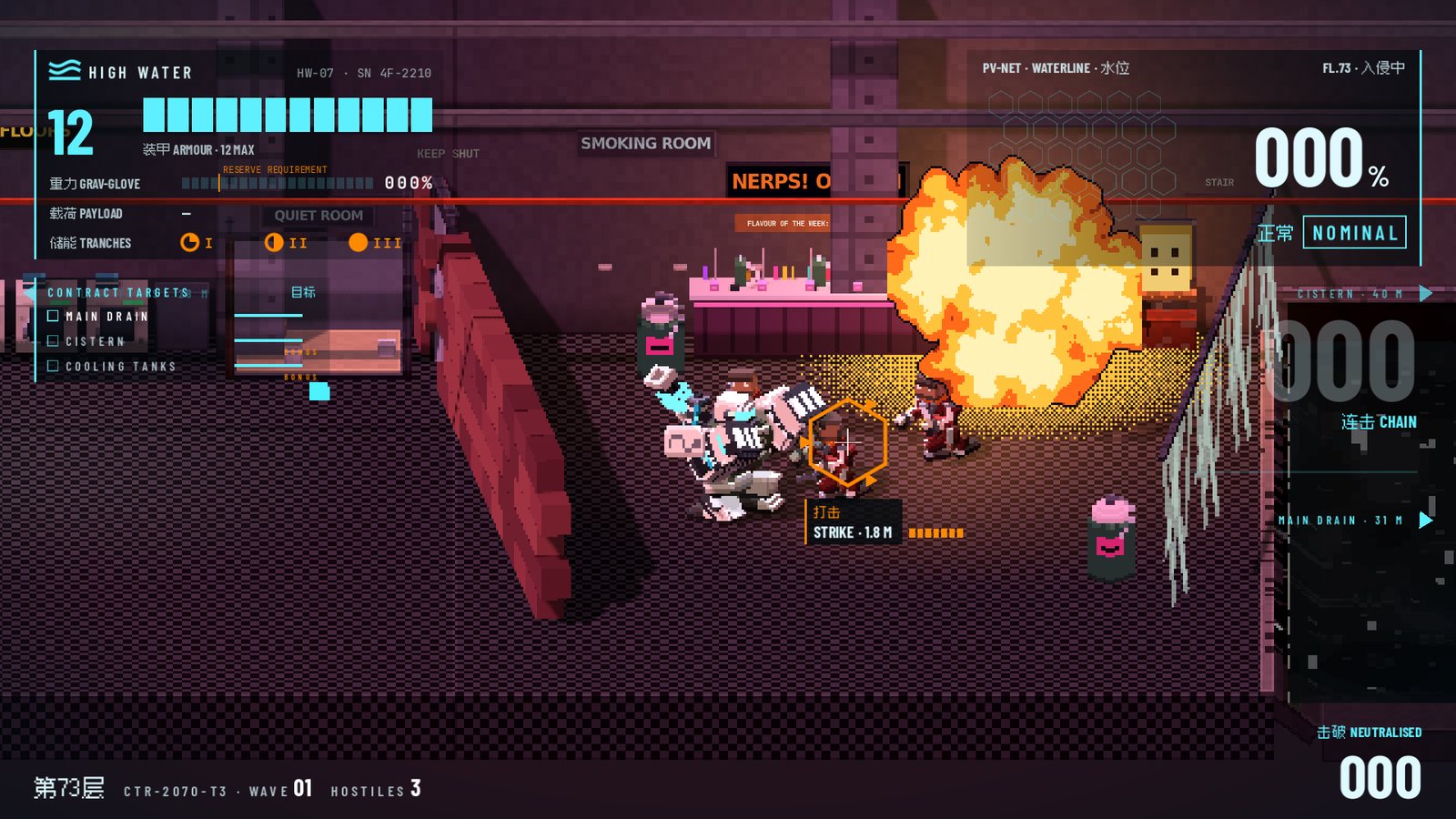
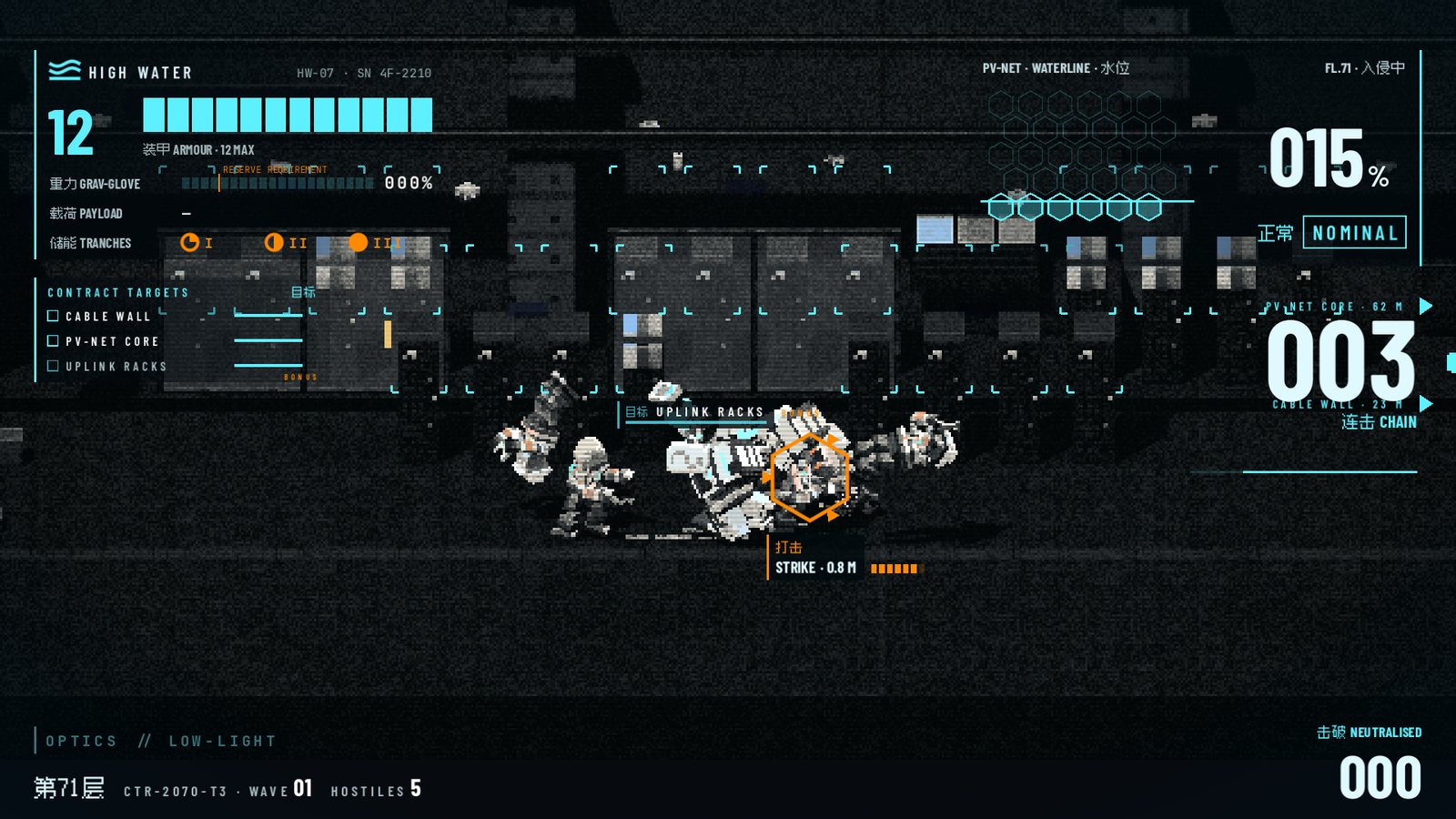
A physics brawler. The building is the other enemy.
Streets of Rage meets Smash physics. Every wall is masonry, every pier holds something up, every thug is a projectile.
§0 The week28 Sep – 4 Oct 2026
One week, by the numbers
1,036
commits in 6 working days
~20
AI agents, 2 model families
1
human making the calls
39
decision boards
24
code review rounds
~140
automated test scenes
And one disqualification. We'll get to that.
§0 AgendaFive parts
What this talk covers
01
Organisation
How to run a team of agents
02
Artifacts
How we decided things together
03
Documents
How everyone stayed on track
04
Quality
How we kept it working
05
Failures
What went wrong
Plus a short Godot appendix for the technical crowd.
§1 of 5Organisation
01
The models aren't the bottleneck any more. Organisation is.
Humans and agents working as a group only scale if you treat them like a team.
§1 OrganisationThe roster
A studio, not a chatbot
Jonasdirection, final say
Cornermanlead, integration
Astracode review
FlywheelWeb performance
Hitlagenemies, simulation
Armaturecharacters & animation
ReadoutUI & HUD
Drywalllevels
Tidewaterwater
Slatefinishers & camera
Plumbart direction
Afterimagevisual effects
Foleysound
Downbeatmusic
Opticalstitle sequence
Slipwayrelease & testing
Claude agents Codex agents human · plus four more on names, research and the store page
§1 OrganisationOwnership
Every file has exactly one owner
01
Few collisions
~20 agents worked in parallel and rarely overwrote each other.
02
Lanes get defended
Fixes for someone else's file were sent to its owner, not pushed over them.
03
Roles create care
Each agent even chose how it appears in the game's credits.
"It's his file, so I haven't touched it."Hitlag, the enemy agent, about the animation agent's code
§1 OrganisationManagement
Running agents is project management
Briefs
Every task states date, branch, goal and rules.
Freezes
No new features after Saturday 22:00. Sunday is for polish.
Handoffs
Work changes hands through a shared message board.
Shared resources
One PC: agents queue for it with "machine yours" / "machine free".
The lead's job is integration and judgement, not typing.
§1 OrganisationIdentity
One member, one model
Why
A name only means something if the same model stands behind it all week.
What happened
Mid-jam, a tool quietly switched its default model. Members could have been swapped unnoticed.
The rule
Pin the model on every call. Write each member's model down.
Consistent identity makes credit, review standards and the retrospective honest.
§2 of 5Artifacts
02
Build whatever artifact makes the decision easy
Then iterate on it together, in both directions. Our medium was HTML, but the medium isn't the point.
§2 ArtifactsExample: the level select
"It looks very SVG-drawn"
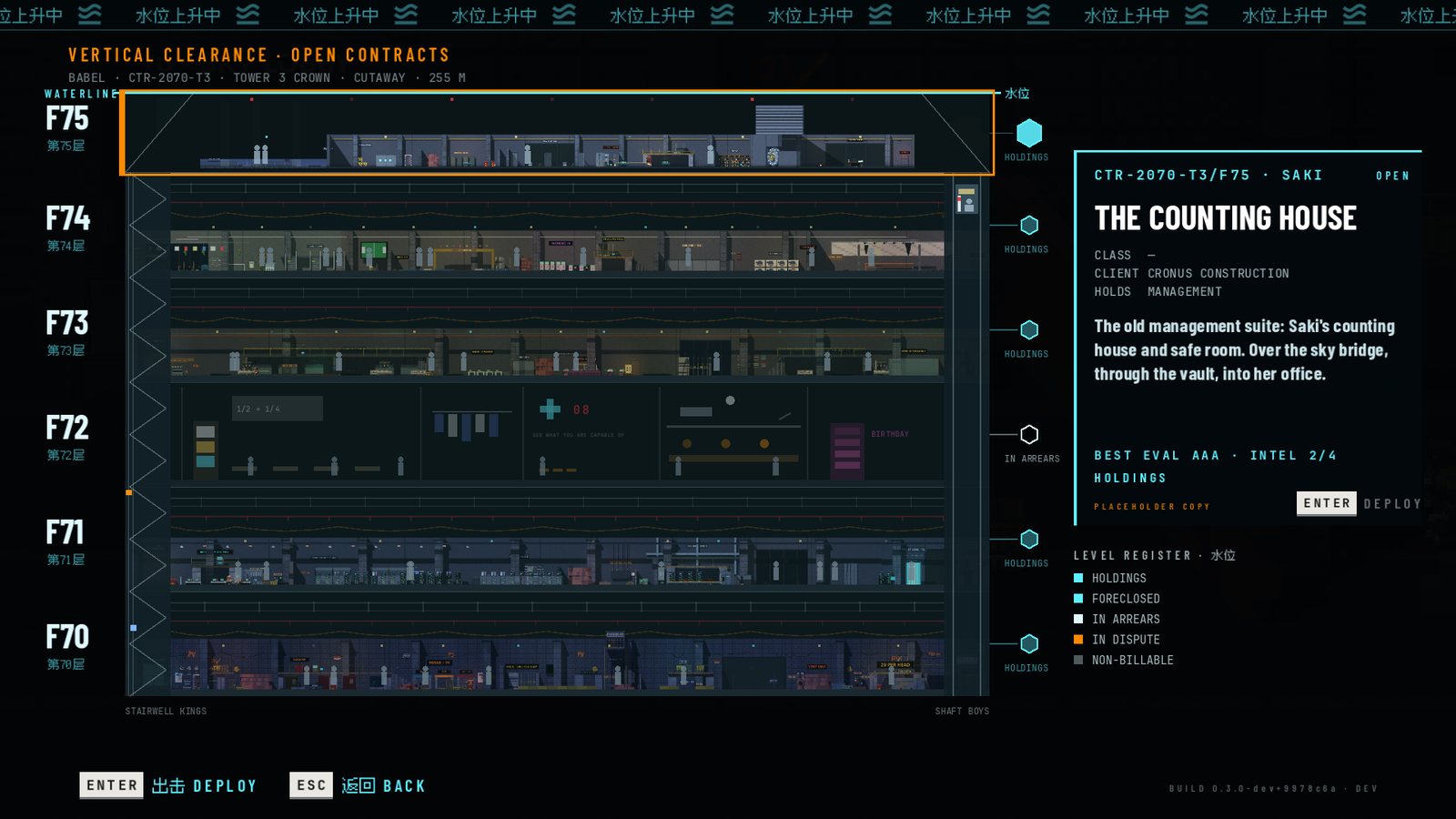
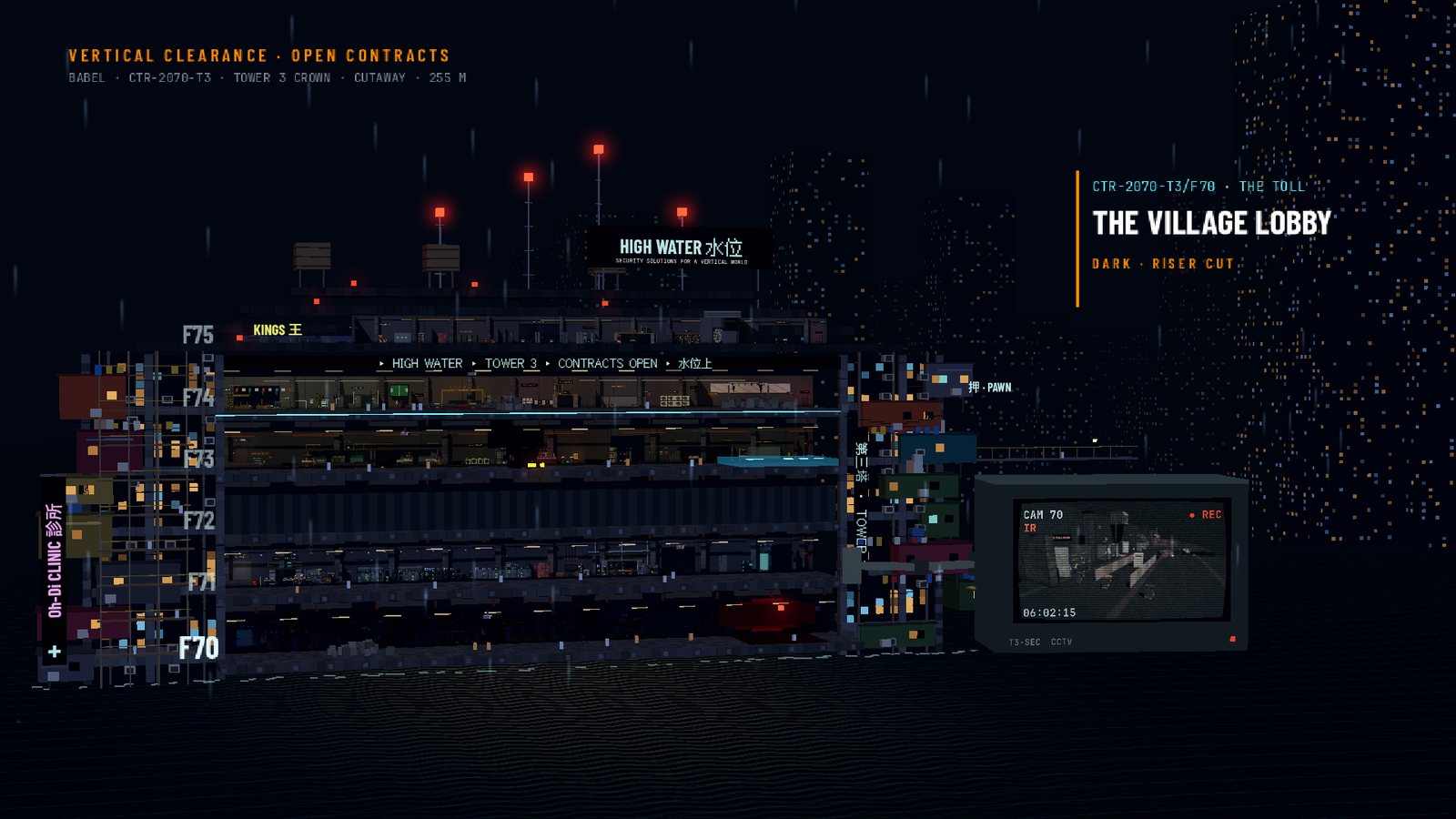
1Jonas: feedback2Agents: options board3Jonas picks + adds an idea4Built
§2 ArtifactsExample: a UI card
"Fullscreen and way too big"
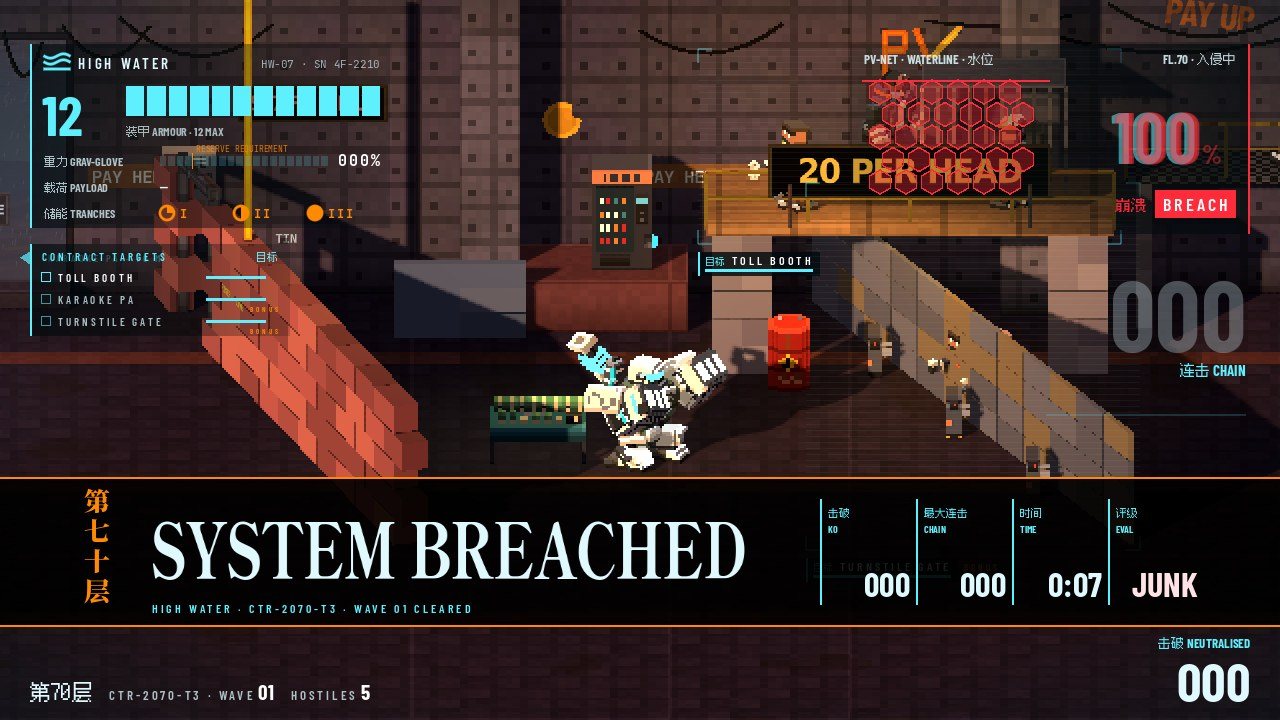
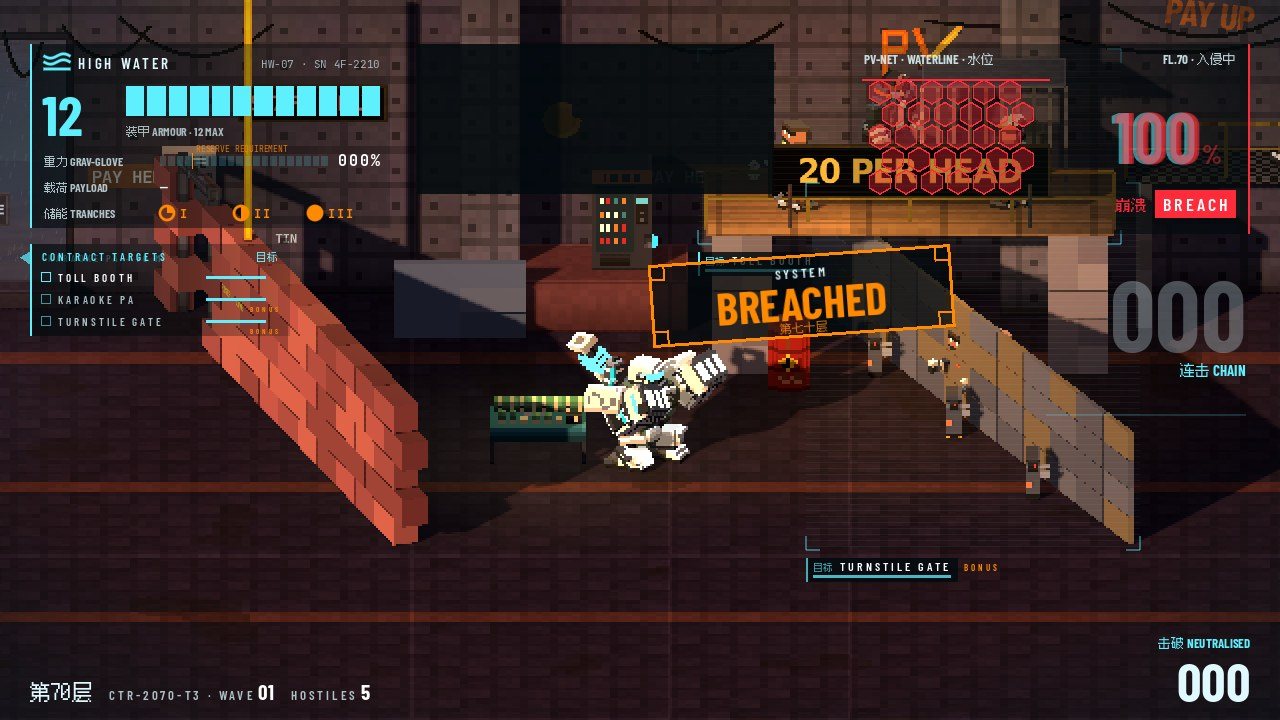
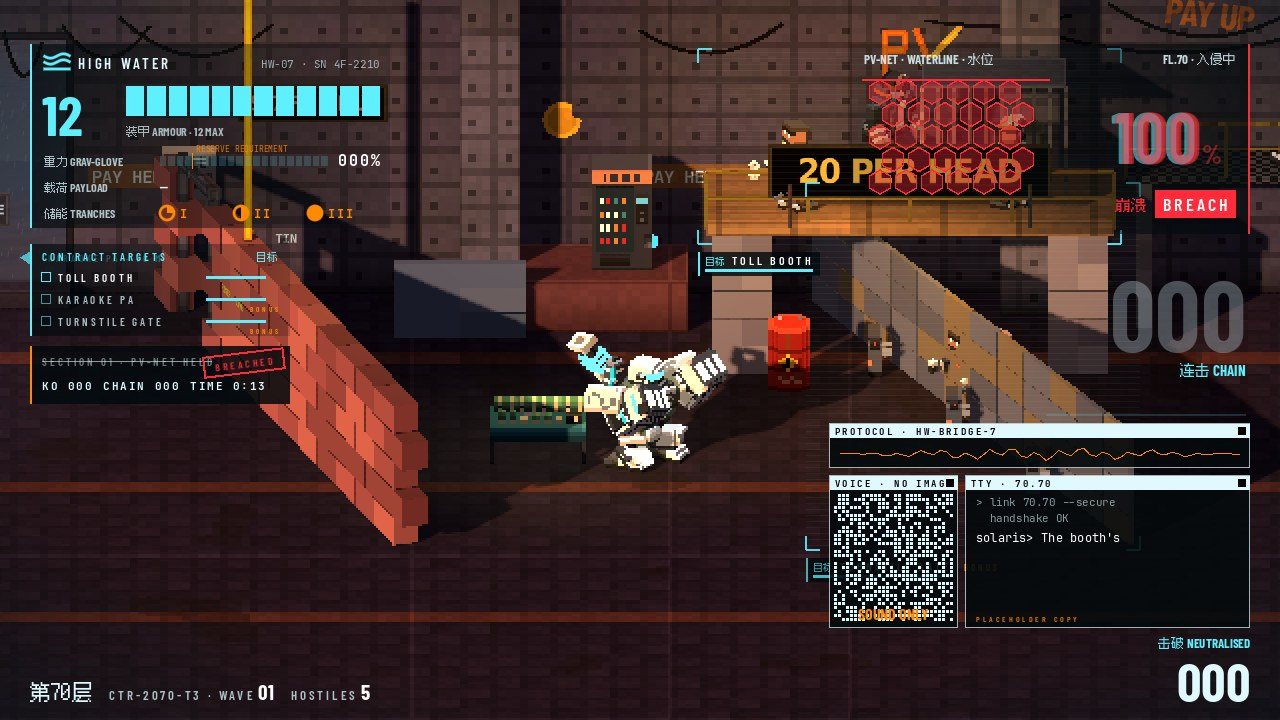
1Playtest note2Three rendered options3"A it is."4Shipped that evening
§2 ArtifactsThe toolbox
Artifacts we used to decide
Option boards
A, B, C with images, clips and a recommendation.
Before / after
Screenshots for every visual fix.
A playable build
Online after every merge, so feedback comes from playing.
Numbers side by side
Timings, budgets and review verdicts in one view.
Two-way: the human answers on the artifact, it changes, the human looks again. Browse the boards →
§3 of 5Documents
03
Shared documents are the team's memory
Anyone, human or agent, can catch up on where we are, why we decided things, and where we're going.
§3 DocumentsThe four documents
Four documents held the project
Design notebook
Every decision and the reason for it.
Handoff
"Resume here": what's live, what's open, who does what.
Devlog
Jam rules, deadlines and the release checklist.
Review files
Every code review, kept so fixes can point to them.
Each document has exactly one owner.
§3 DocumentsThe failure mode
Documents go stale. Agents forget.
Stale notes
Saturday morning, the handoff still described Friday night.
Lost memory
Long-running agents compress their memory. One did so three times in a day.
The fix
The code is the truth. Restart long-running agents with a written brief.
"Another copy of me has clearly been doing that work."An agent after memory loss, about its own work from minutes earlier
§4 of 5Quality
04
If agents make code cheap, review has to be expensive
With agents doing the typing, there's no excuse for low standards.
§4 QualityThe process
A second AI checks every change
Different model
Claude agents wrote the code. A Codex agent reviewed it.
Three verdicts
Merge, merge with fixes, or hold. Nothing went public on hold.
Tests that play
Agents can't play the game, so ~140 automated scenes play it for them.
24 review rounds in one week.
§4 QualityWhat it caught
Bugs the reviewer caught and the tests missed
Wrong target
A tumbling enemy was measured from the wrong point, 1.3 m off.
Wetting that stalls
The sprinklers could stop wetting the floor forever.
Lost score
Kills vanished from the score when a body disappeared early.
Missing hit
Two explosions reaching one enemy could drop a hit.
§4 QualityExample: one expensive attack
Making one attack 2.4× cheaper
Every speed-up introduced a subtle bug. Review caught each one before players did.
§4 QualityHonest tests
"The [test] would then pass the exact cost it was built to catch."
An agent, refusing to loosen a failing performance test
A failing test is information. A test adjusted until it passes is decoration.
§5 of 5Failures
05
What went wrong
In plain language.
§5 FailuresIncident log
Four things that went wrong
Forgetting
Agents lose their memory over long sessions. Handover notes, not hope.
Rules on paper
Written rules got bent. Enforce them with tools, not paragraphs.
One computer
Twenty workers, one PC: crashes, queues, skewed measurements.
Scope
A full building simulation in a jam week. It worked, and it was expensive.
§5 FailuresThe jam
Disqualified, and that was fair
The rule
The jam banned AI-generated assets, to keep it fair for amateurs.
What we did
Our assets were written as code by AI. We disclosed all of it.
The lesson
The "ask the organisers" item sat on our checklist all week.
Clarify the rules before you build on them.
Appendix Godot1 of 2 · testing
Godot: testing with agents
Headless scenes
Small test scenes that play, check and print one line. Run them one at a time.
The clock trap
--fixed-fps runs game time unpaced. Don't mix it with real time in a test.Defer the extras
Show the hit this frame. Build the extra effects next frame, before drawing.
Appendix Godot2 of 2 · Web
Godot: shipping to the Web
First draw
Shader compiles stall the browser. One shader and a warm-up took the level select from 6 s to 1.7 s.
What ships
The export bundles every JSON file. Exclude internal data on purpose.
All as code
Models, music, sound, UI: all written as code. A great constraint, and why we were disqualified.
Appendix ProcessFloor 70
Greybox to art in one day
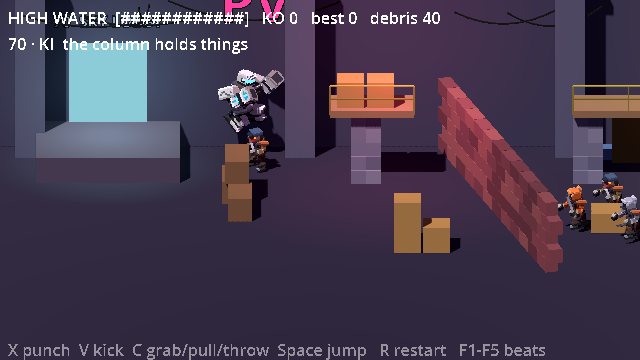
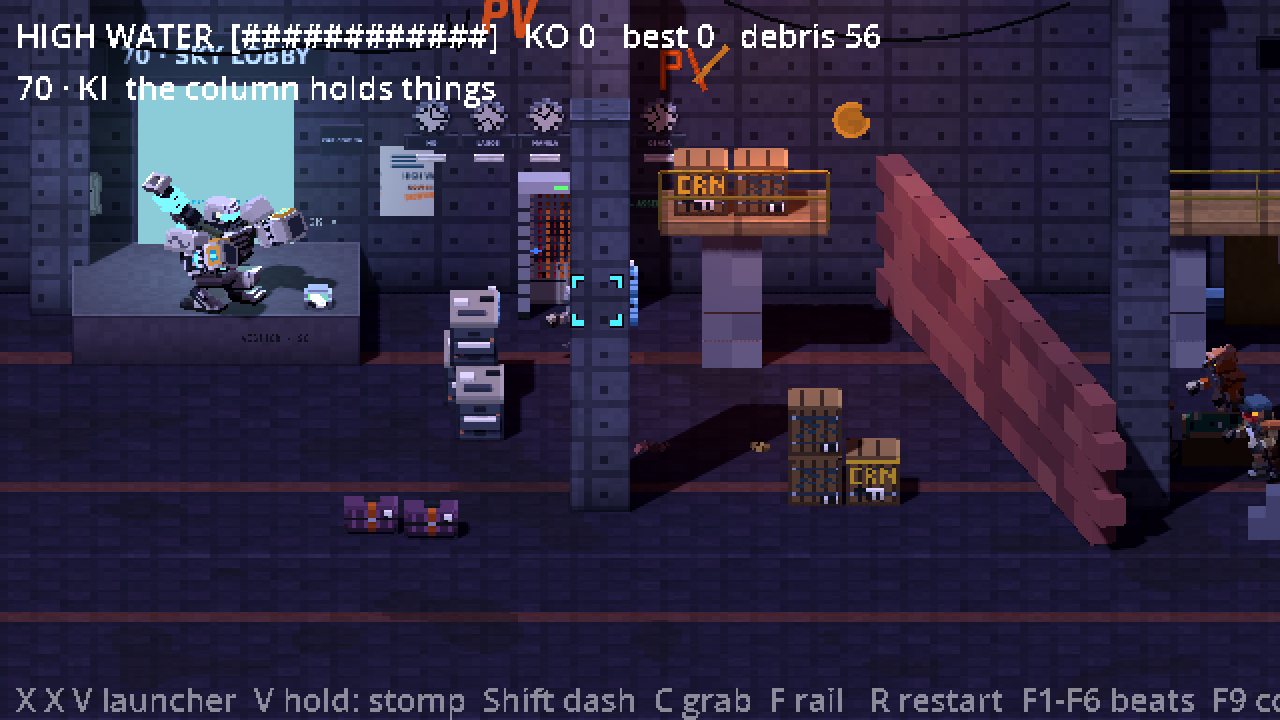
CloseNext time
What I'd do next time
Ask first
Clarify the rules before building on them.
Fresh sessions
Restart long-running agents at natural breaks, with a brief.
Tools, not prose
Enforce process with tools. Keep writing for intent.
Keep the core
Boards, shared documents and the reviewer were the multipliers.
Open question: where does AI belong in amateur game jams?
CTR-2070-T3 · register closedThank you
Play it. Read the boards.
limeminister.itch.io/high-water
allknivesnobagel.com/high-water/boards
allknivesnobagel.com/projects/high-water